
By Eric Schad
Back in the day, transmissions weren’t all that hard to figure out. You had only a manual transmission at your disposal, and learning to drive one was a rite of passage. However, the advent of technology allowed a new wave of transmission innovation. Today, only 3 percent of new cars have a manual transmission, while variants of an automatic transmission comprise the rest. If you’ve ever wondered what a transmission does and the different types, here’s a handy guide to set you straight.
What Does a Transmission Do?
Before we dive into the different types of transmissions, it’s important to define what a transmission does. At its core, a transmission takes the energy supplied by the engine and focuses it to the wheels. It’s just one portion of the powertrain that gives your car acceleration and speed. Without a transmission, you’d simply have a power source with no outlet for its production. The transmission solves this problem while also providing a simpler or more fun way to drive.
Manual Transmissions
The first transmission ever used in a vehicle was a manual transmission. Little has changed in this type of transmission since its inception, and it’s still the most popular type of transmission throughout many parts of the world.
Unlike other types of transmissions, a manual requires the driver to select the gear by pushing a clutch and using a shift knob to move from one gear to the next. The transmission connects to the engine via the clutch, and when it’s engaged, it delivers power with the help of an input shaft. The input shaft then interacts with a secondary shaft that changes gears and provides torque.
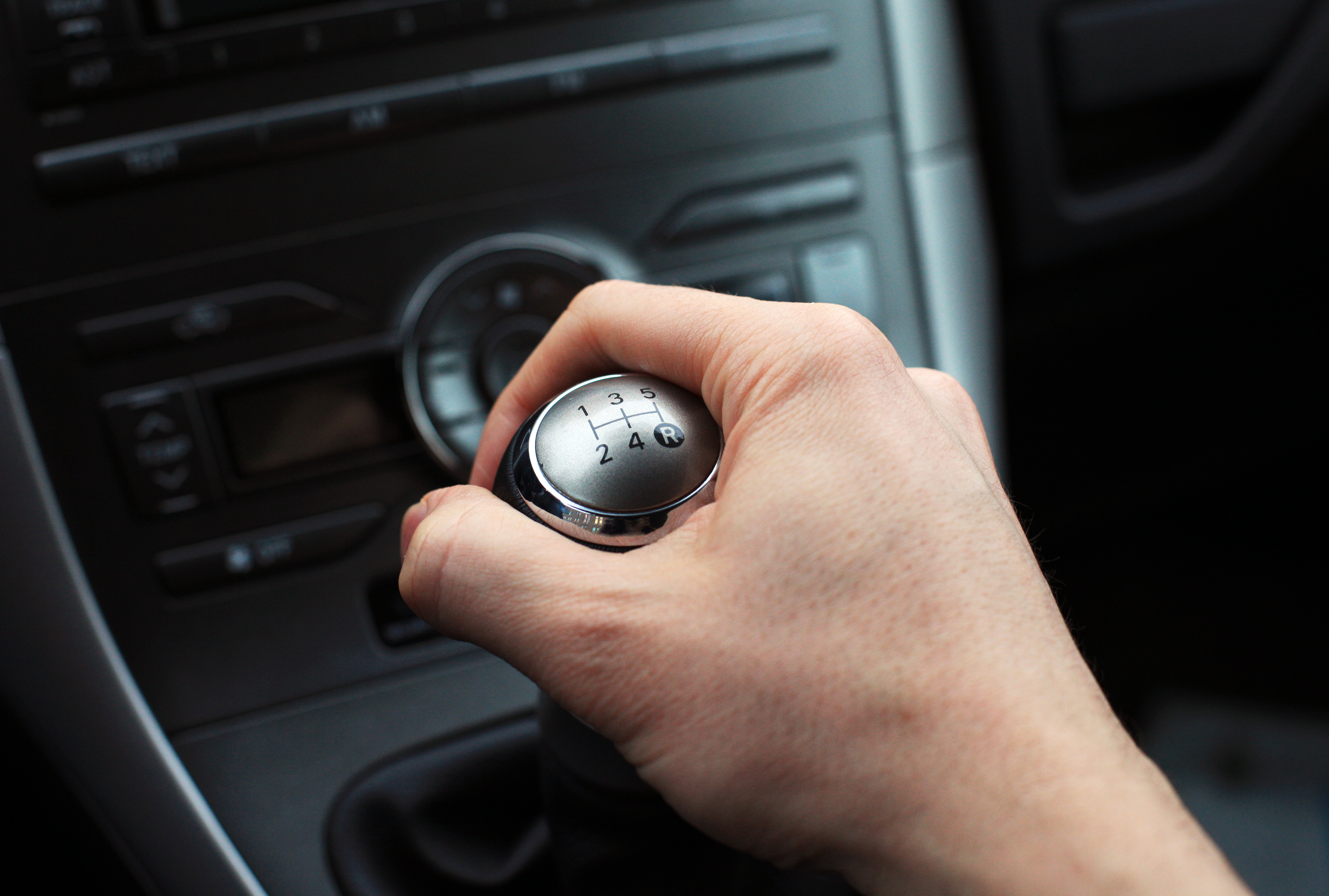
Photo by dreamstime
To change gears, the driver has to engage the clutch, which aligns the primary shaft and the secondary shaft. This creates rotational energy that’s transferred to the wheels. One important note is that a gear always becomes disengaged before another becomes engaged.
A manual transmission has many pros and cons. One of the disadvantages of a manual is that’s has a steep learning curve. Positive aspects include cheap repairs, high torque loads, and top-notch reliability.
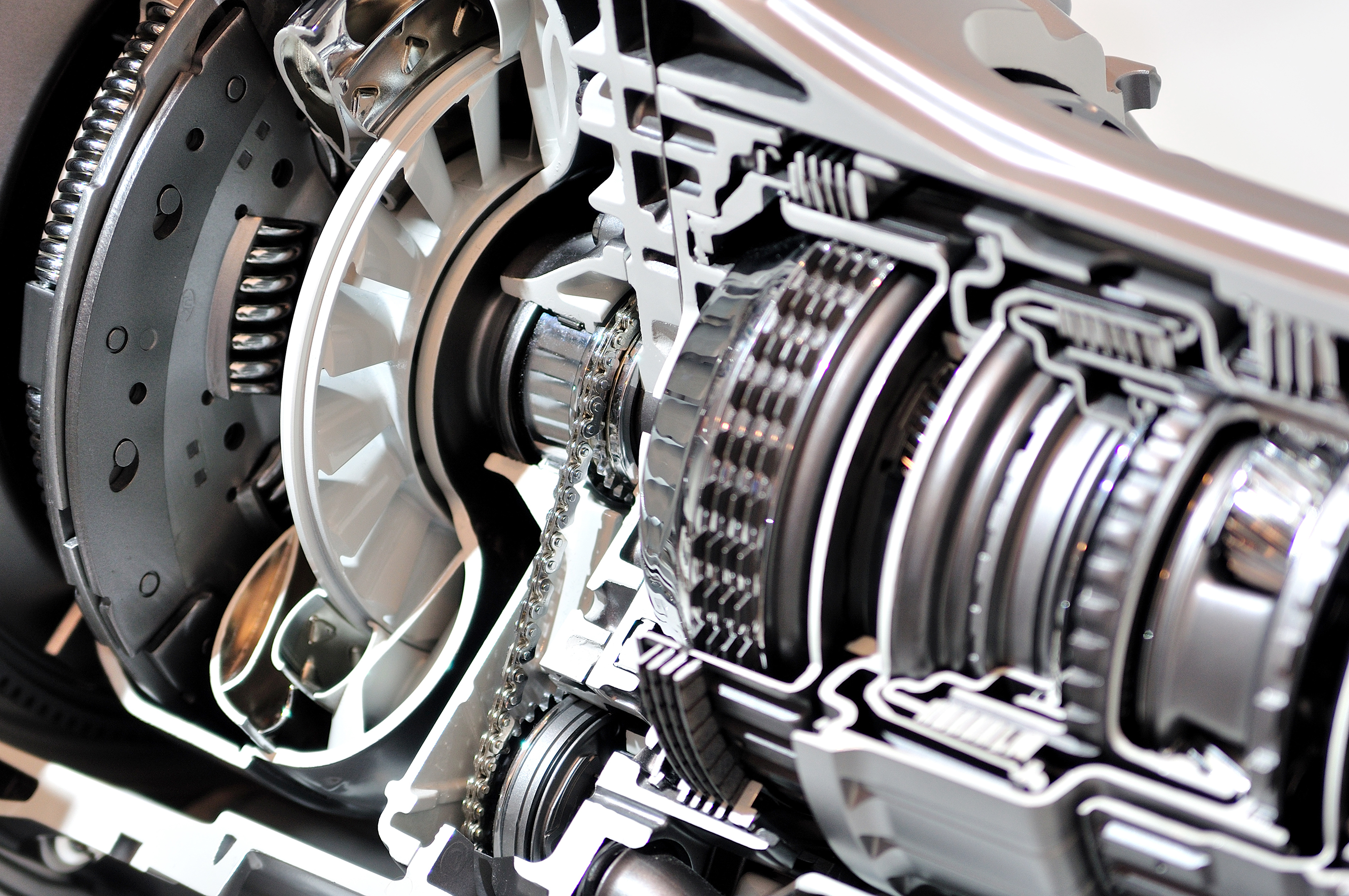
Photo by dreamstime
Automatic Transmission
First introduced to the automotive market in 1940 by Buick, the automatic transmission is now the most popular choice for new cars. Automatic transmissions come in a whopping 87 percent of new vehicles, primarily because of their ease of use.
Unlike a manual transmission, an automatic transmission uses a computer-controlled, hydraulic mechanism to shift gears. The only task a driver has is shifting from park to drive or neutral. One interesting aspect is that a computer decides when conditions are proper to shift gears. This takes into account traction control, stability control, and cruise control.
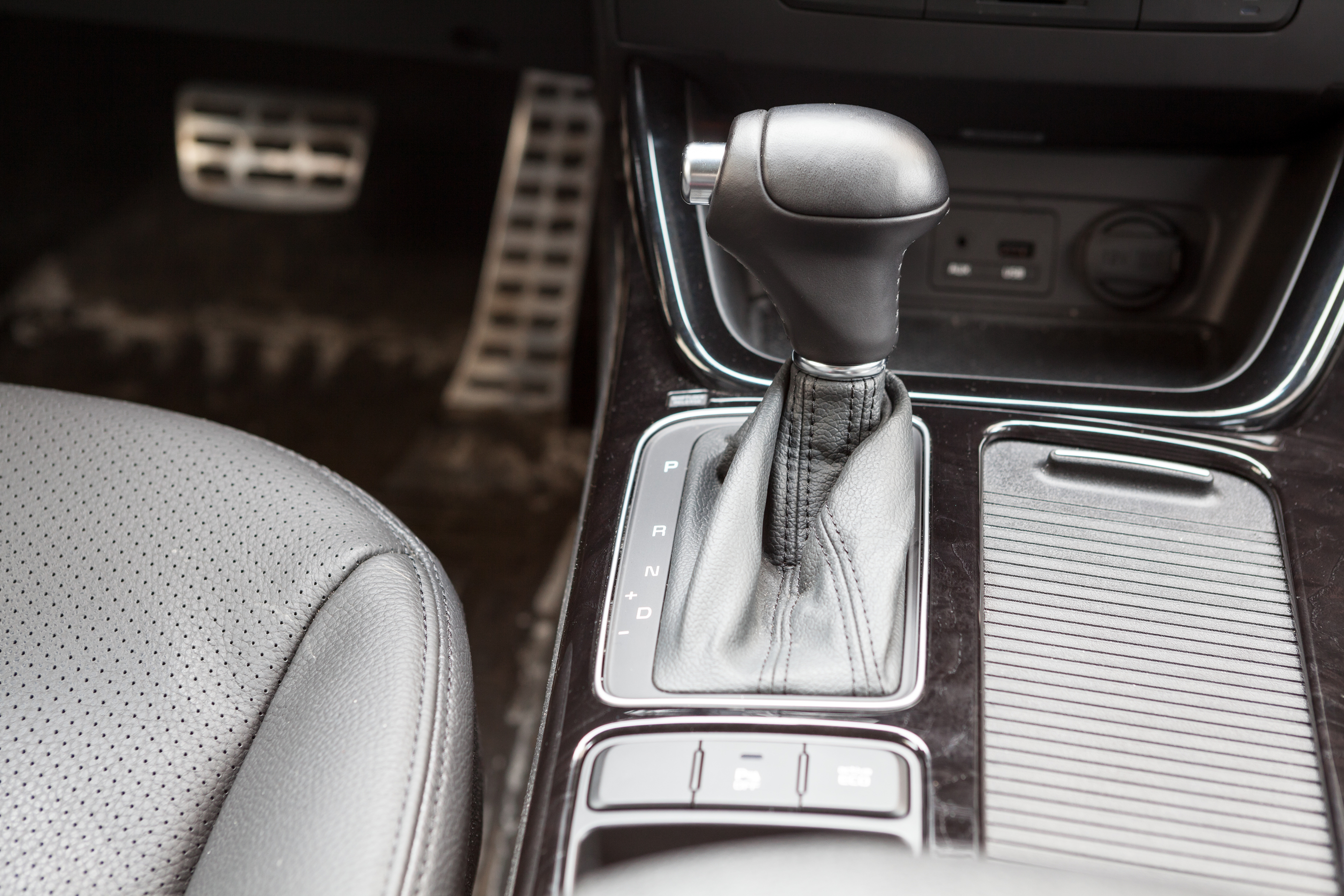
Photo by dreamstime
A torque converter is the main component of the automatic transmission. It consists of two halves. One’s connected to the engine, and the other’s attached to the input shaft. Pressurized transmission fluid is automatically distributed to these two parts, and the shearing strength of the fluid passing through allows the torque converter to move torque from the engine to the transmission.
Advantages of an automatic transmission include ease of use and improved fuel economy, while cons include poor off-road performance and more expensive repairs.
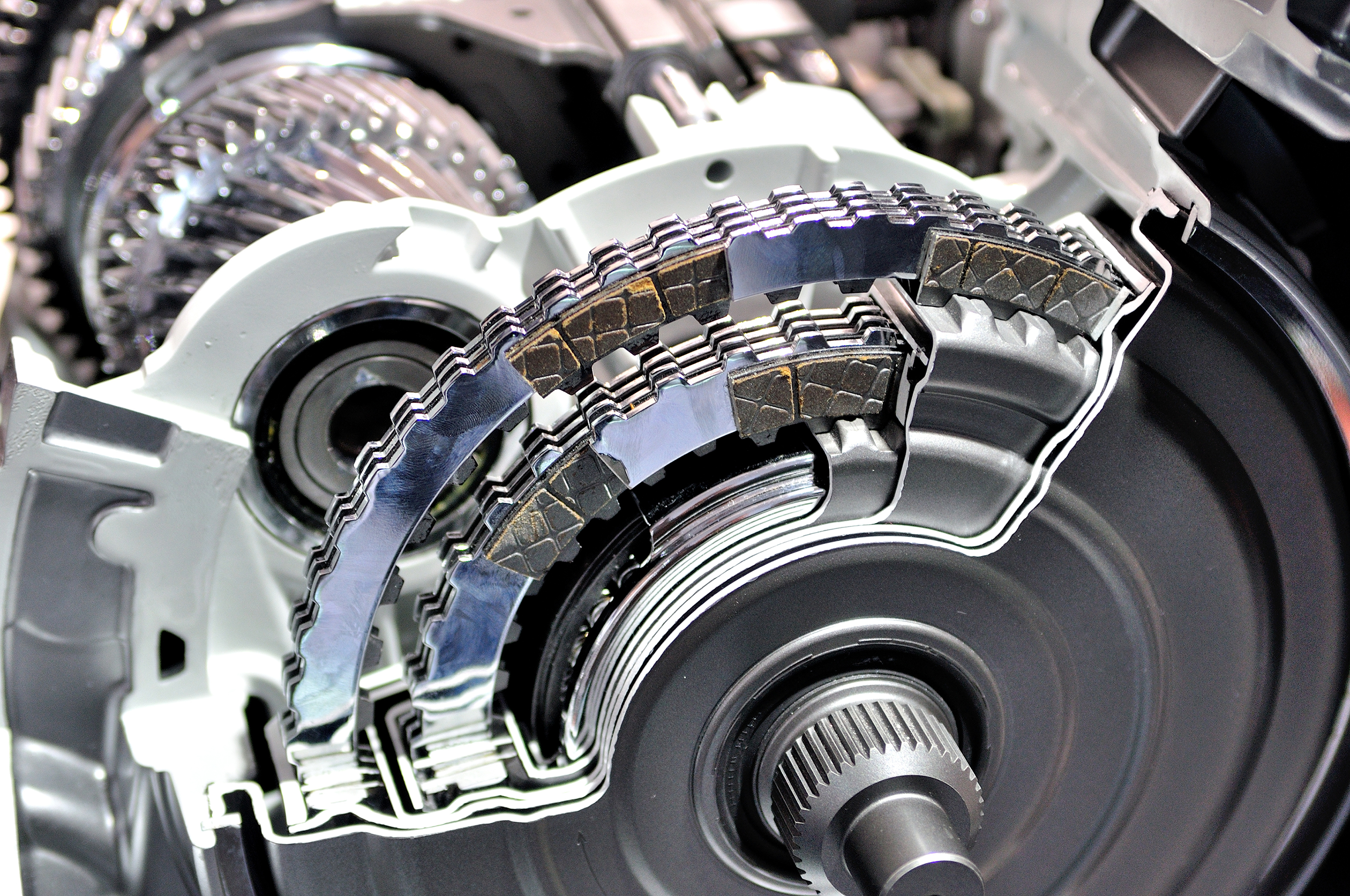
Photo by dreamstime
Continuously Variable Transmission (CVT)
A more modern inception, the CVT is a type of transmission that’s found on about 10 percent of vehicles. However, unlike the other types of transmissions, a CVT doesn’t use gears. Instead, it relies on a system of belts that run over pulleys. One of these pulleys is mounted to the driveshaft, while the other’s connected to the engine. By changing the effective diameter of each pulley, the belt is kept at the highest tension, which provides power to the vehicle. Like an automatic transmission, the CVT requires only a shift to drive for the vehicle to operate.

Some of the perks of a CVT include improved fuel efficiency and a more comfortable ride without jerky gear shifts. Negative aspects of the CVT are limited torque and poor off-road prowess.
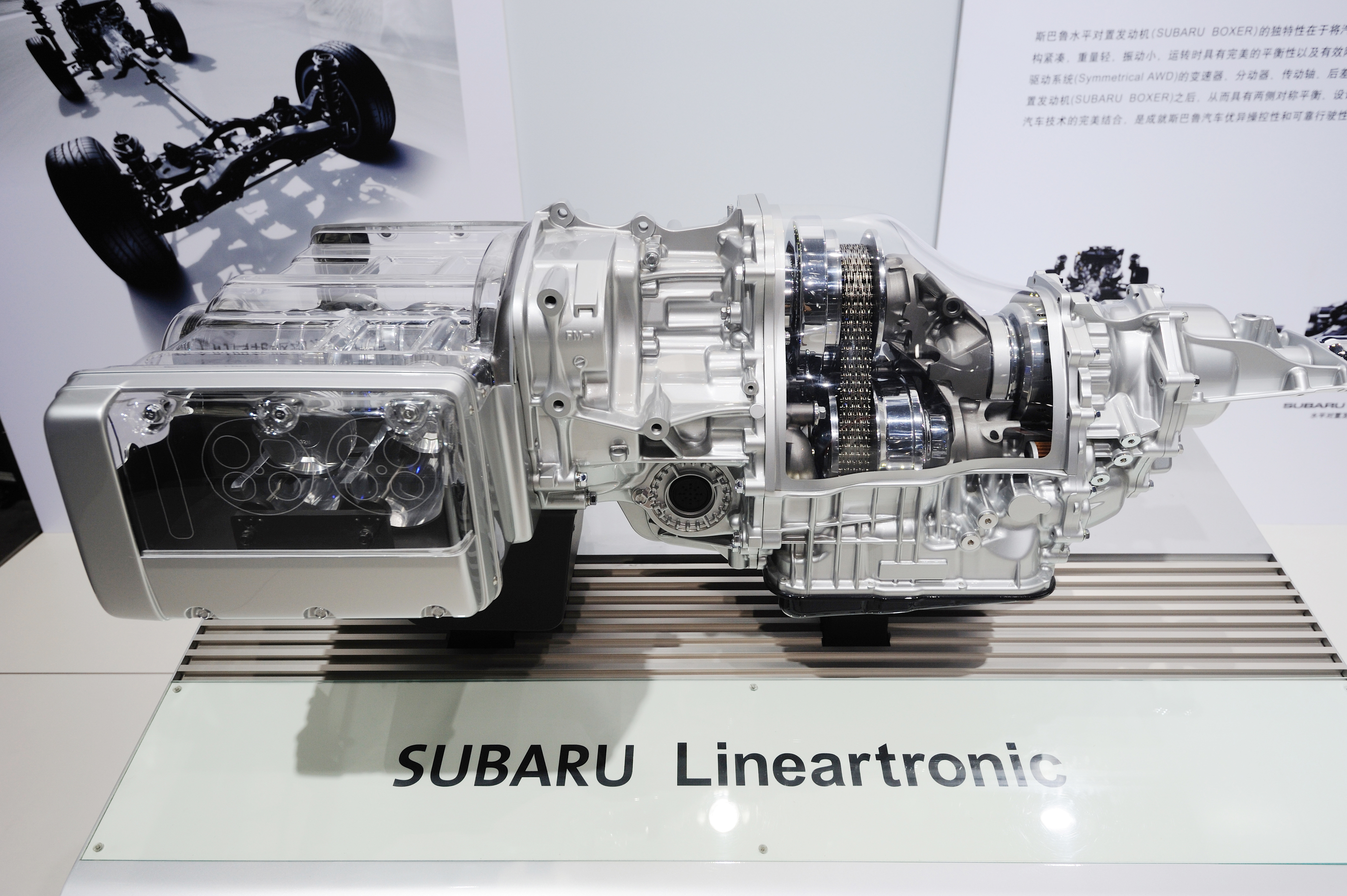
Photo by dreamstime
Now that you know the ins and outs of transmissions, you’re more apt to find the one that works for you. Whether you’re searching for something that’s fuel efficient, fun-to-drive, or something else, a transmission makes a world of difference.



_04.jpg)